Spider Control Services
Oak City Pest Control provides professional spider control services designed to identify spider activity, reduce existing populations, and help prevent future infestations. We proudly serve Raleigh, Cary, Apex, Durham, Clayton, Garner, Morrisville, and Holly Springs with targeted spider control solutions tailored to North Carolina homes.
Our Experts Target at the Source
Spiders are a common sight throughout Raleigh and the Triangle area, especially in garages, basements, crawl spaces, attics, porches, and around exterior lighting. While most spiders found in North Carolina are harmless and even help control other insect populations, large spider populations indoors often signal a larger pest problem.
Spiders enter homes searching for two things: shelter and food. Since spiders feed on insects, homes with ant, fly, mosquito, or other pest activity often become attractive hunting grounds.
While many spiders remain hidden in dark corners, some species regularly build webs around windows, porches, garages, and entry points. Others actively hunt prey throughout the home and may be encountered unexpectedly.
Whether you are dealing with spiders in your garage, attic, crawl space, basement, porch, or throughout the home, our team can help. Our professionals at Oak City Pest Control are trained to identify common North Carolina spider species and develop customized treatment plans based on your home’s specific needs.
Our Spider Treatment Approach
Inspect
Every service begins with a detailed inspection of your home and property. Our technician looks to identify spider activity, nesting locations, web concentrations, and contributing insect populations in and around the home.
Target
Once spider activity is identified, we apply targeted treatments to active spider harborages, as well as web-building areas, entry points, and insect activity that may be attracting spiders around your home.
Secure
Once spider activity is treated, we help identify conditions that encourage spider activity and recommend practical solutions to help reduce future infestations.
Report
Clear communication is an important part of every service visit. After treatment, we provide a clear summary of what was found during the inspection, what treatments were performed, and any recommendations that may help prevent future spider activity.
Monitor
Spider activity can change with the weather and seasonal conditions in North Carolina. During follow-up visits, we continue to monitor the property for signs of new activity and adjust treatments as needed to keep your home protected.
Maintain
Consistent pest control helps prevent small issues from becoming larger infestations. Our ongoing pest control services are designed to maintain protection against spiders and help reduce the insects spiders feed on, creating long-term protection against recurring spider problems.
Common Spider Species in NC

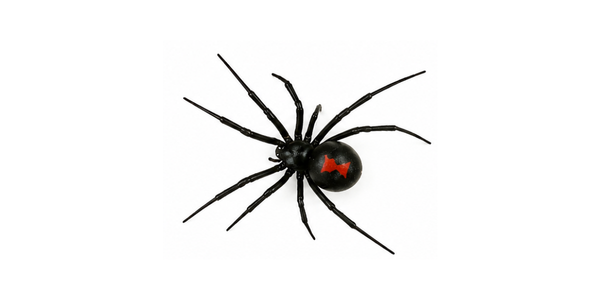
Black Widow Spider
Latrodectus mactans
Black widow spiders are one of the few medically significant spiders found in North Carolina. Females are glossy black with a distinctive red hourglass marking on the underside of the abdomen. They typically hide in wood piles, sheds, crawl spaces, garages, and undisturbed storage areas.
If you suspect black widow activity, inspect dark, protected areas around the home where clutter and moisture are present.
Black and Yellow Garden Spider
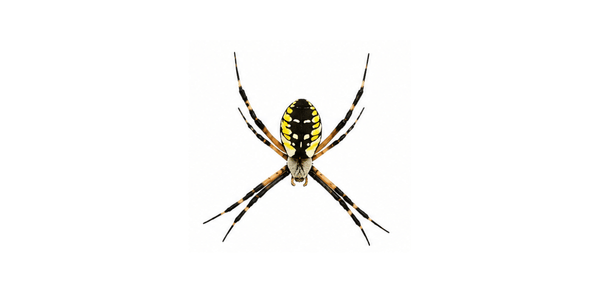
Argiope aurantia
Black and yellow garden spiders, often called writing spiders, are common throughout North Carolina during the warmer months. These large spiders are known for their striking yellow and black markings and distinctive zigzag web pattern.
They are frequently found in gardens, landscaping, shrubs, and around outdoor structures where flying insects are abundant.
Carolina Wolf Spider
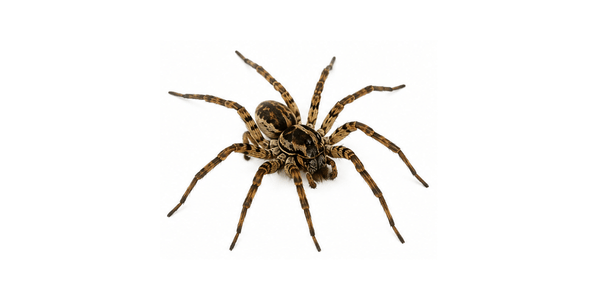
Hogna carolinensis
Carolina wolf spiders are one of the largest spiders found in North Carolina. Unlike web-building spiders, wolf spiders actively hunt their prey and are often seen moving quickly across floors, garages, patios, and crawl spaces.
Although intimidating due to their size, they are generally not aggressive toward people.
Southern House Spider
Ctenocephalides felis
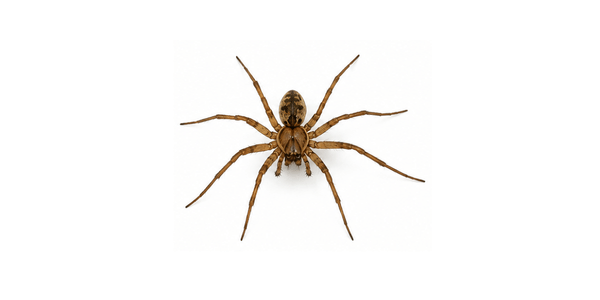
Southern house spiders are commonly mistaken for brown recluse spiders due to their appearance. These spiders often build messy webs around window frames, garages, crawl spaces, attics, and exterior structures.
Males frequently wander indoors while searching for mates, leading to increased sightings around homes.
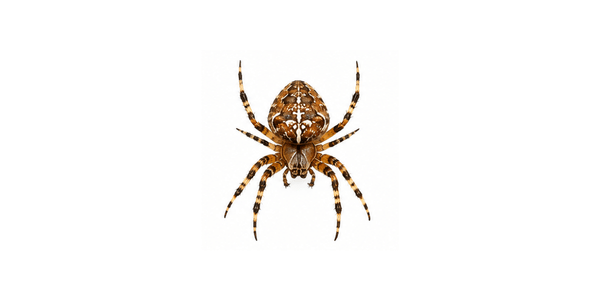
Orb Weaver Spider
Neoscona crucifera
Orb weaver spiders are common throughout Raleigh and surrounding communities. They create large circular webs around porches, decks, gardens, and outdoor lighting where flying insects gather.
While their webs can be inconvenient, orb weavers are considered beneficial because they help reduce insect populations.
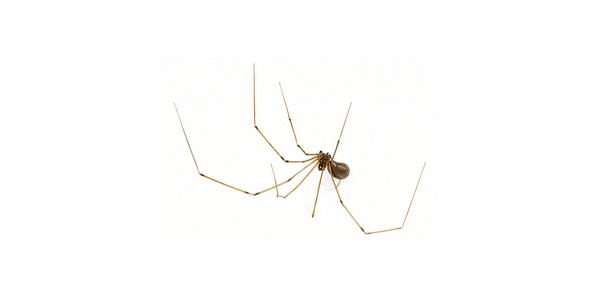
Cellar Spider
Pholcus phalangioides
Cellar spiders are frequently found in basements, crawl spaces, garages, and storage areas. They build irregular webs in corners and other undisturbed locations.
Because they prefer quiet, humid environments, they are often among the first spiders homeowners notice indoors.
Raleigh, Cary, Durham, Clayton & Surrounding Areas
We proudly serve the following cities:
Frequently Asked Questions
What types of spiders are most common in Raleigh, NC and surrounding areas?
Several spider species are commonly found throughout Raleigh and the Triangle area. Homeowners frequently encounter Carolina wolf spiders, southern house spiders, orb weavers, cellar spiders, and black & yellow garden spiders. While most spiders found in North Carolina are harmless, black widow spiders are one of the few medically significant species found in the region. Each species prefers different environments, which is why spiders may be found in garages, crawl spaces, attics, landscaping, porches, and around outdoor lighting.
Are spiders dangerous?
Most spiders found in North Carolina are not considered dangerous and play an important role in controlling insect populations. In fact, many spiders help reduce mosquitoes, flies, moths, and other nuisance pests around the home. However, black widow spiders are venomous and should be treated with caution.
While spider bites are relatively uncommon, homeowners should avoid handling spiders directly and contact a professional if they suspect a black widow infestation or have concerns about spider activity.
Why am I seeing more spiders inside my home?
Spiders are often attracted to homes because they provide shelter, moisture, and a steady food source. If insects such as ants, flies, mosquitoes, or other pests are active around your property, spiders may move indoors to hunt.
Seasonal weather changes can also increase spider sightings, particularly during the fall when many species begin searching for warmer shelter. Homes with cluttered storage areas, crawl spaces, garages, or basements often provide ideal hiding places for spiders.
Do spiders mean I have another pest problem?
In many cases, yes. Because spiders feed primarily on insects, an increase in spider activity can indicate that another pest population is present. While spiders themselves may not cause significant damage, they often serve as a warning sign that ants, flies, beetles, mosquitoes, or other insects are active around the home.
Where do spiders typically hide around a home?
Spiders prefer quiet, undisturbed areas where they can build webs or hunt for prey. Common hiding locations include garages, attics, crawl spaces, basements, closets, utility rooms, storage boxes, sheds, and behind furniture.
Outdoors, spiders are frequently found around landscaping, decks, porches, eaves, gutters, and outdoor lighting. Areas with higher moisture levels or abundant insect activity often attract larger spider populations.
How can I reduce spider activity around my home?
Reducing spider activity starts with eliminating the conditions that attract them. Homeowners should remove existing webs, reduce clutter, seal gaps around doors and windows, repair damaged screens, and address moisture issues. Keeping exterior lighting to a minimum when possible can also help reduce flying insects that attract spiders.
Regular pest control treatments can further reduce spider populations by targeting both spiders and the insects they feed on.
When are spiders most active in North Carolina?
Spider activity occurs year-round, but homeowners typically notice spiders more frequently during the spring, summer, and fall. Warmer temperatures increase insect activity, which provides spiders with more food sources. Fall is another common time for increased sightings as spiders seek shelter from cooler weather. Some species, such as southern house spiders and cellar spiders, may remain active indoors throughout the year.
When should I call a professional for spider control?
If you are consistently finding spiders throughout your home, noticing large numbers of webs, discovering egg sacs, or are concerned about potentially venomous species such as black widows, it may be time for a professional inspection. A pest control professional can identify the species present, locate hiding areas, determine what is attracting them, and develop a treatment plan that helps reduce both spider populations and the insect activity supporting them.
For many homeowners, professional spider control provides peace of mind and more effective long-term results than DIY treatments alone.
Spider problems?
We can help.
Start with a free quote and get fast, professional service from your local experts in Raleigh, Cary, Clayton, Durham, Garner, Morrisville, Apex, Holly Springs and beyond.