Stinging Pest Control Services
Oak City Pest Control provides professional stinging pest control services throughout Raleigh, Cary, Apex, Durham, Clayton, Garner, Holly Springs, and Morrisville. Our team identifies the species involved, locates nesting areas, and develops a treatment plan designed to reduce activity while helping protect your home and property.
Our Experts Target at the Source
Stinging insects are among the most concerning pests for North Carolina homeowners. Whether you’re dealing with aggressive yellow jackets, paper wasps around your porch, hornets nesting in trees, or bees establishing colonies near your home, these pests can create safety concerns for families, pets, and visitors.
Most stinging insects play an important role in the environment by pollinating plants or controlling other insect populations. Problems occur when colonies establish themselves near homes, entryways, play areas, decks, patios, or outdoor gathering spaces.
Our professionals at Oak City Pest Control are trained to identify common stinging insects found throughout North Carolina and develop treatment plans based on the species involved and the location of the nest.
Proper identification is critical because different stinging pests require different treatment approaches. A paper wasp nest beneath a porch ceiling requires a different strategy than an underground yellow jacket colony or a honey bee colony established inside a wall void.
Our goal is to safely address active stinging pest problems while helping reduce future nesting activity around your home.
Our Stinging Pest Treatment Approach
Inspect
Every service begins with a detailed inspection of your home and property. Our technician looks to identify stinging pest activity, locate nesting locations, evaluate colony size, and determine potential safety risks around the property.
Target
Once stinging pest activity is identified, our treatments focus on active nests, colony locations, and high-activity areas while minimizing disruption to your home and landscape.
Secure
Once stinging pest activity is reduced, we help identify other potential nesting locations and recommend practical steps to reduce future stinging pest activity around your property.
Report
Clear communication is an important part of every service visit. After treatment, we provide a clear summary of what was found during the inspection, what treatments were performed, and any recommendations that may help prevent future stinging pest activity.
Monitor
Stinging pest activity can change with the weather and seasonal conditions in North Carolina. During follow-up visits, we continue to monitor the property for signs of new activity and adjust treatments as needed to keep your home protected.
Maintain
Consistent pest control helps prevent small issues from becoming larger infestations. Our ongoing pest control services are designed to maintain protection against stinging pests, helping reduce recurring nesting activity and address conditions that attract stinging insects.
Common Stinging Pest Species in NC

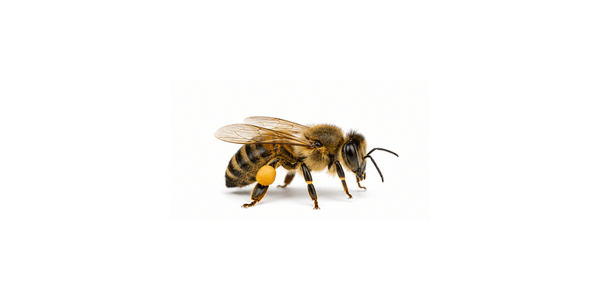
Bees
Clade Anthophila
Bees are among the most important pollinators in North Carolina and play a vital role in supporting local ecosystems, gardens, and agriculture. Most bee species are not naturally aggressive and will only sting when they feel threatened or when their colony is disturbed.
Bees are commonly found around flowering plants, gardens, trees, and landscaped areas throughout Raleigh and the surrounding communities. While many bee species are beneficial, colonies that establish themselves inside wall voids, soffits, chimneys, or other structural areas may require professional evaluation and relocation when possible.
Common bee species found in North Carolina include honey bees, carpenter bees, bumble bees, and mining bees.
Hornets
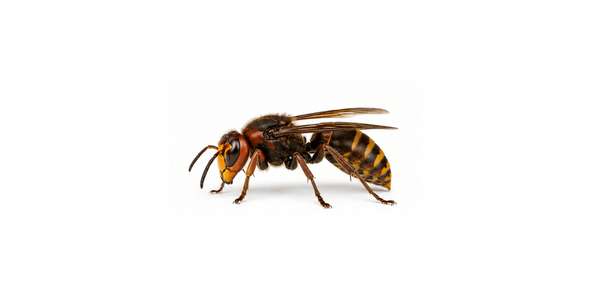
Vespa crabro
Hornets are large social stinging insects known for building enclosed paper nests and aggressively defending their colonies when threatened. Although true hornets are less common than other stinging insects in North Carolina, homeowners may occasionally encounter species such as the European hornet.
Hornets typically construct nests in trees, shrubs, attics, wall voids, sheds, and other protected areas. Due to their size and defensive behavior, hornet nests located near homes can pose a significant safety concern.
Many homeowners also refer to bald-faced hornets as hornets, although they are technically classified as aerial yellow jackets.
Wasps
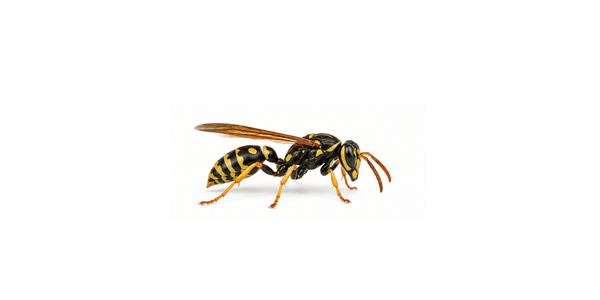
Suborder Apocrita
Wasps are one of the most commonly encountered stinging insects throughout the Triangle area. They are easily recognized by their slender bodies, narrow waists, and exposed paper nests commonly found beneath eaves, porches, decks, railings, and outdoor structures.
Unlike bees, wasps can sting multiple times and may become defensive when their nest is disturbed. Most wasp species help control other insect populations by hunting caterpillars, flies, and various garden pests.
Common wasp species found throughout North Carolina include paper wasps, red paper wasps, European paper wasps, and mud daubers.
Yellow Jackets
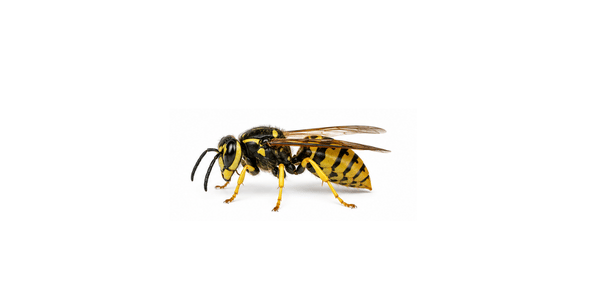
Vespula spp. and Dolichovespula spp.
Yellow Jackets are among the most aggressive stinging insects found in North Carolina. These social insects live in large colonies and are known for aggressively defending their nests when disturbed.
Yellow jackets often build nests underground, inside landscape features, wall voids, crawl spaces, and structural cavities. During late summer and early fall, worker populations reach their peak, increasing the likelihood of encounters with people.
Unlike many other stinging insects, yellow jackets are strongly attracted to food, sugary drinks, garbage, and outdoor gatherings, making them a common nuisance around homes, parks, and recreational areas.
Raleigh, Cary, Durham, Clayton & Surrounding Areas
We proudly serve the following cities:
Frequently Asked Questions
What are the most common stinging pests in Raleigh, NC?
Paper wasps, yellow jackets, bald-faced hornets, and honey bees are among the most common stinging insects found throughout Raleigh and the Triangle area.
When are stinging pests most active in North Carolina?
Most stinging insects become active during the spring as queens emerge from overwintering sites and begin building new colonies. Activity typically increases throughout the summer and often peaks in late summer and early fall when colonies are at their largest. During this time, homeowners are more likely to encounter nests and increased insect activity around their property.
While spider bites are relatively uncommon, homeowners should avoid handling spiders directly and contact a professional if they suspect a black widow infestation or have concerns about spider activity.
How do I know if I have a stinging pest problem?
Common signs include increased flying insect activity around your home, visible nests attached to structures or trees, insects entering wall voids, and frequent sightings near outdoor living spaces. Some species also build nests underground, making them more difficult to identify until activity becomes noticeable.
Seasonal weather changes can also increase spider sightings, particularly during the fall when many species begin searching for warmer shelter. Homes with cluttered storage areas, crawl spaces, garages, or basements often provide ideal hiding places for spiders.
Are all stinging insects aggressive?
No. Many stinging insects, particularly bees, are generally focused on foraging and pollination and are unlikely to sting unless threatened. Others, such as yellow jackets and certain hornet species, can become highly defensive when their nest is disturbed. The level of aggressiveness often depends on the species, colony size, and proximity to the nest.
Should I remove a nest myself?
Attempting to remove a stinging insect nest without proper equipment and training can be dangerous. Many species will aggressively defend their colonies if they feel threatened, increasing the risk of multiple stings. Professional identification and treatment help ensure the nest is addressed safely and effectively.
Outdoors, spiders are frequently found around landscaping, decks, porches, eaves, gutters, and outdoor lighting. Areas with higher moisture levels or abundant insect activity often attract larger spider populations.
Why are stinging pests attracted to my property?
Stinging insects are attracted to properties that provide food, water, and nesting opportunities. Flowering plants, landscaping, outdoor food sources, standing water, and protected areas such as eaves, sheds, attics, and wall voids can all encourage nesting activity. Some species are also attracted to sugary drinks, garbage, pet food, and outdoor dining areas.
Regular pest control treatments can further reduce spider populations by targeting both spiders and the insects they feed on.
Can stinging pests damage my home?
While most stinging insects do not cause structural damage, some species may establish nests inside walls, attics, soffits, or other voids within the home. Large colonies can create ongoing activity around the property and, in some cases, abandoned nests may attract other pests or require cleanup after removal.
When should I call a professional for stinging pest control?
You should consider scheduling an inspection if you notice a nest near your home, experience recurring stinging insect activity, discover insects entering structural voids, or have concerns about allergies and safety. Early identification and treatment can help prevent colonies from growing larger and becoming more difficult to manage later in the season.
For many homeowners, professional spider control provides peace of mind and more effective long-term results than DIY treatments alone.
Stinging pest problems?
We can help.
Start with a free quote and get fast, professional service from your local experts in Raleigh, Cary, Clayton, Durham, Garner, Morrisville, Apex, Holly Springs and beyond.