Termite Control Services
Oak City Pest Control provides professional termite control services designed to detect, treat, and prevent termite activity. We proudly serve Raleigh, Cary, Apex, Durham, Clayton, Garner, Morrisville, and Holly Springs with reliable, long-term protection.
Our Experts Target at the Source
Termites are one of the most destructive pests affecting homes throughout Raleigh and the Triangle area. These pests can cause significant structural damage over time, often going unnoticed until the damage is already severe.
Termites feed on wood and other cellulose materials found in homes, which can lead to serious structural damage if left untreated. Because termites often live inside walls, foundations, and crawl spaces, infestations can develop without obvious signs.
Early detection and preventative treatment are key to protecting your home and avoiding costly repairs. Our professionals at Oak City Pest Control are trained to identify and treat termite infestations, working with you to develop a plan that fits your home, lifestyle, and long-term pest control needs.
Our Termite Treatment Approach
Inspect
Every service begins with a detailed inspection of your home and property. Our technician looks for signs of termite activity such as mud tubes, wood damage, and moisture issues. We also evaluate foundations, crawl spaces, and other high-risk areas.
Target
Once termite activity is identified, we apply targeted treatments designed to eliminate active colonies. Treatments are applied in areas where termites are present and where activity is most likely to continue.
Secure
Once termite activity is treated, we focus on protecting the home against future infestations. This may include identifying entry points, moisture issues, and conditions that allow termites to thrive.
Report
Clear communication is an important part of every service visit. After treatment, we provide a clear summary of what was found during the inspection, what treatments were performed, and any recommendations that may help prevent future termite activity.
Monitor
Termite activity can develop over time and with changes to the environment in North Carolina. During follow-up visits, we continue to monitor the property for signs of new activity and adjust treatments as needed to keep your home protected.
Maintain
Consistent pest control helps prevent small issues from becoming larger infestations. Our ongoing service plans provide scheduled treatments designed to maintain protection against termites throughout the year.
Common Termite Species Found in NC

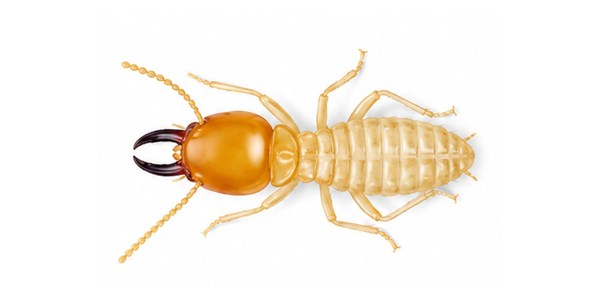
Formosan Subterranean Termite
Coptotermes formosanus
Formosan subterranean termites are an aggressive, invasive species that can cause significant damage in a shorter period of time than native termites once established. They form large colonies and can consume wood quickly, often going undetected until damage becomes severe.
If you suspect Formosan termites, inspect areas with moisture issues, structural wood damage, mud shelter tubes, or large swarms of winged termites near lights and windows during warmer months.
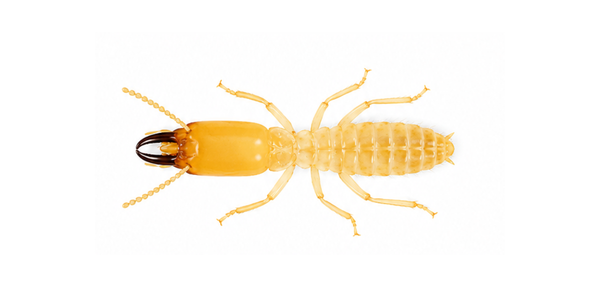
Eastern Subterranean Termite
Reticulitermes flavipes
Eastern subterranean termites are the most common termite species found in North Carolina and are responsible for a large percentage of termite damage throughout the region. Colonies live underground and can cause significant structural damage before homeowners realize activity is present.
If you suspect eastern subterranean termites, check for mud tubes along foundations, damaged or blistering wood, discarded wings near windows, and moisture-prone areas around crawl spaces or basements.
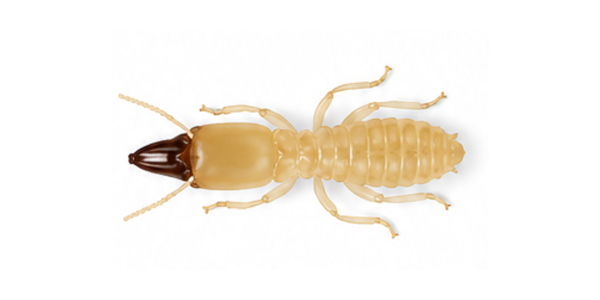
Dark Southeastern Subterranean Termite
Reticulitermes virginicus
Dark southeastern subterranean termites are commonly found throughout the Southeast and are known for attacking structural wood from underground colonies. They rely heavily on moisture and are often found near foundations, crawl spaces, wood-to-soil contact areas, and damp environments around the home.
If you suspect dark southeastern subterranean termites, inspect foundation walls, crawl spaces, porches, and lower structural wood for mud tubes, hollow-sounding wood, or signs of termite swarms.
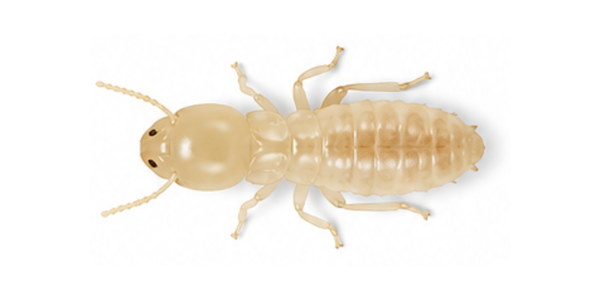
Arid Land Subterranean Termite
Reticulitermes tibialis
Arid land subterranean termites are less common in North Carolina than other subterranean termite species but may occasionally be identified in certain environments. Like other subterranean termites, they live underground and travel through mud tubes to reach wood structures and moisture sources.
If you suspect subterranean termite activity, inspect crawl spaces, foundations, support beams, and areas with excess moisture for mud tubes, damaged wood, or swarming termites near windows and doors.
Raleigh, Cary, Durham, Clayton & Surrounding Areas
We proudly serve the following cities:
Frequently Asked Questions
Are termites common in Raleigh, NC?
Yes, termites are very common in Raleigh and throughout North Carolina. Subterranean termites are the most common species and are responsible for the majority of termite damage in homes across the region.
How do termites get into homes?
Termites enter homes from the soil through small cracks in the foundation or through areas where wood is in direct contact with the ground. They build mud tubes to travel safely between their colony and food sources.
What are the signs of termite activity?
Common signs include mud tubes, discarded wings, hollow wood, bubbling paint, and visible damage to wooden structures. Many infestations go unnoticed until these signs appear.
When do termites swarm in North Carolina?
Termites typically swarm in the spring, especially after warm weather and rain. Swarms are often one of the first visible signs of an active colony nearby.
How much damage can termites cause?
Termites can cause significant structural damage over time by feeding on wood and other materials in the home. If left untreated, the damage can become costly to repair.
Can I treat termites myself?
Termite treatment requires specialized tools and knowledge to properly eliminate colonies. DIY methods are often ineffective, and professional treatment is recommended for complete control.
How can I prevent termites?
To reduce the risk of termites, eliminate moisture around the home, avoid wood-to-soil contact, maintain proper drainage, and schedule regular inspections.
When should I schedule a termite inspection?
You should schedule a termite inspection if you notice signs of activity, are purchasing a home, or want preventative protection. Regular inspections help detect problems early.
Termite problems?
We can help.
Start with a free quote and get fast, professional service from your local experts in Raleigh, Cary, Clayton, Durham, Garner, Morrisville, Apex, Holly Springs and beyond.