As the weather warms up and Raleigh’s spring blooms begin to emerge, homeowners often notice an uptick in pest activity around their homes. From ants and termites to wasps and rodents, it’s common to see an increase in these unwanted guests as the season changes.
Many of these spring pests in Raleigh, NC make their way indoors in search of food, water, and shelter. Early signs of activity are often subtle and easy to miss at first.
Understanding what attracts pests during the spring and recognizing early warning signs can help prevent larger infestations later in the season.
Why Pests Are More Active in the Springtime
There are a few key reasons why certain pests begin showing up more frequently in the spring across Raleigh. Warmer temperatures signal many pests to come out of their dormant winter state, while increased humidity and rainfall create ideal conditions for breeding and survival (think mosquitoes).
In Raleigh and nearby areas like Apex, Cary, Durham, Garner, Holly Springs, Morrisville, and Clayton, spring brings a mix of moisture and mild temperatures. These conditions allow pests to move more freely and expand their activity both outdoors and inside the home.
Outdoor environments such as standing water, damp soil, and lush plant life provide easy access to food, water, and shelter. Many pests also begin their reproductive cycles as temperatures rise, which leads to increased activity as they search for mates and nesting sites. This biological drive makes spring a particularly active time for pest movement in and around homes.
Common Spring Pests in Raleigh Homes
Several pests become more noticeable during the spring across the Triangle. Ants often begin forming trails as they search for food inside the home. Termites may swarm as part of their reproductive cycle, often appearing out of nowhere on warm days. Mosquitoes become active around standing water sources as the temperature starts to rise. Spiders may also appear more as they follow other insects inside.
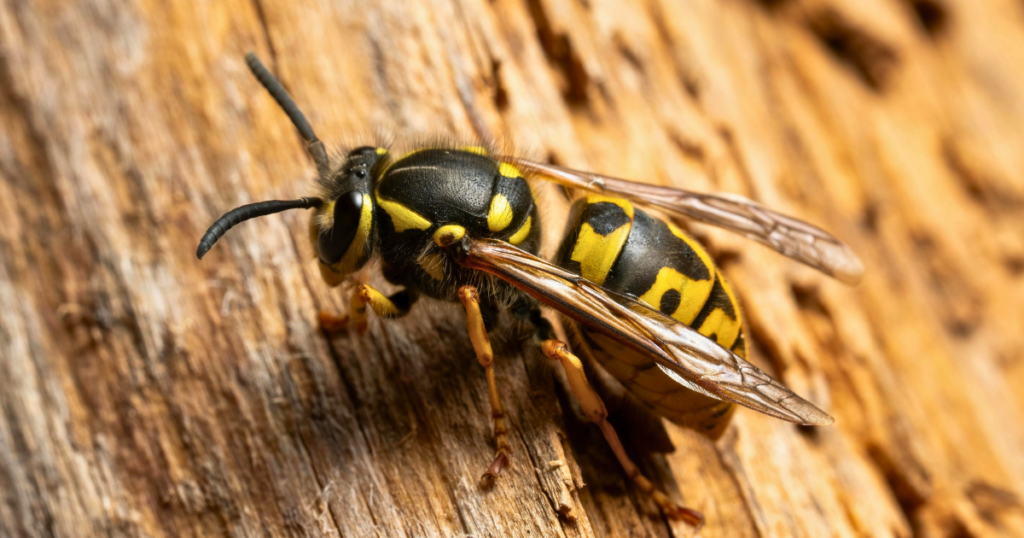
Stinging insects such as wasps, hornets, and carpenter bees also become more active in the spring. These pests often build nests around eaves, decks, and other sheltered areas, which can quickly create concerns for homeowners.
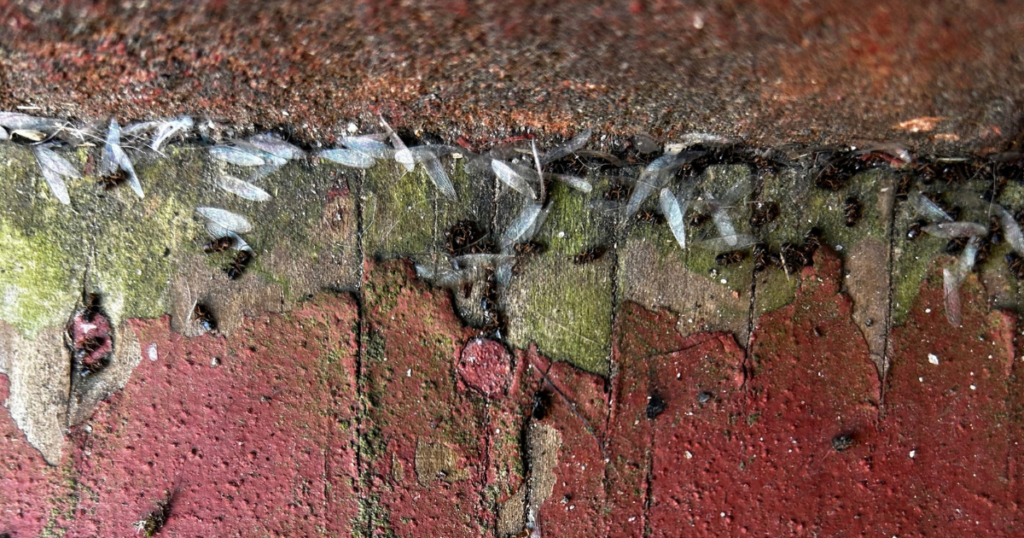
Rodents like mice and rats may also become more active as they venture out to find new food sources after winter. Flying ants are also common in the spring and are often mistaken for termites, making proper identification important for effective treatment.
These pests are closely tied to seasonal environmental changes that support their activity.
Early Signs Homeowners Miss
Early pest activity is easy to miss, especially when it appears in small or isolated areas. A few ants near baseboards or under a kitchen sink may not seem concerning at first. Discarded wings near windows or doors can point to termite activity, while standing water or damp areas can lead to mosquito problems before it becomes noticeable.
Exterior signs can also be early indicators. New nests under eaves, small holes in wood, or increased insect movement near entry points are often overlooked.
Other small signs include small piles of sawdust (indicating carpenter ant or termite activity), unusual pet behavior (pets often detect pests before humans do), and strange sounds in the walls or attics during quiet periods.
Catching these early warning signs can help prevent larger infestations and reduce long-term damage.
What Attracts Pests To Your Home
Pests are drawn to environments that provide consistent access to food, water, and shelter. Crumbs, uncovered trash, and pet food attract insects, while moisture around foundations, gutters, and crawl spaces creates ideal conditions for many pests. Dense vegetation near the home can also provide shelter and make it easier for pests to enter.
According to the Environmental Protection Agency (EPA), reducing moisture and sealing entry points are among the most effective ways to prevent pest activity.
Prevention and Control Tips
Fortunately, there are several practical steps homeowners can take to help prevent spring pests from becoming a problem in and around the home during the spring:
- Eliminate standing water sources by cleaning gutters, fixing leaks, and draining planters or birdbaths
- Seal cracks and entry points around doors, windows, and foundations
- Keep mulch, landscaping, and vegetation away from the home’s foundation
- Trim tree branches and shrubs away from the house
- Store food, including pet food, in airtight containers
- Use screens, caulk, and weather-stripping to close off openings
- Consider professional pest control treatments before an infestation takes hold
The key is to make your home a less attractive target for pests. By taking proactive measures, you can avoid dealing with headaches, health risks, and potential property damage, while reducing the risk of ongoing activity throughout the season.
When Spring Pest Activity Becomes a Bigger Issue
Pest activity can increase quickly once it begins. What starts as occasional sightings can turn into consistent activity over a short period of time.
When activity continues in the same areas of the home, it may be a sign that the problem is no longer isolated. A professional inspection can help identify the source and prevent further spread.
How Oak City Pest Control Supports Raleigh Homeowners
Oak City Pest Control works with homeowners throughout Raleigh and surrounding Triangle communities to manage seasonal pest activity.
Each home presents different conditions, so treatment plans are based on what is found during the inspection. The focus is on addressing current pest issues while helping prevent future infestations.
This approach allows homeowners to stay ahead of seasonal pest problems with practical and effective solutions.
Spring pests in North Carolina are a normal part of the season, but early signs can quickly develop into something uncontrollable if ignored. Paying attention to changes around your home and addressing them early can help reduce long-term problems.
If you are noticing pest activity or want a better understanding of what may be developing, a professional inspection can help identify the cause and recommend the right next steps for your home.