Bee Control Services
Oak City Pest Control provides professional bee removal services throughout Raleigh, Cary, Apex, Durham, Clayton, Garner, Holly Springs, and Morrisville. Our team identifies the bee species, evaluates the location of the colony, and recommends the safest and most effective solution for your home while considering the important role bees play in the environment.
Our Experts Target at the Source
Bees are an essential part of North Carolina’s ecosystem, pollinating flowers, gardens, crops, and native plants throughout the Triangle. While most bee species are beneficial and rarely aggressive, problems can arise when colonies establish themselves inside walls, attics, chimneys, soffits, sheds, or other structures around your home.
Unlike many stinging insects, bees typically sting only when they feel threatened or when defending their colony. However, nests located near entryways, patios, decks, playgrounds, or inside a home’s structure can become a safety concern for homeowners, children, pets, and visitors.
Our professionals are trained to accurately identify the bee species found around your home and recommend the safest, most effective course of action.
Our Bee Treatment Approach
Inspect
Every service begins with a detailed inspection of your home and property. Our technician looks to identify the bee species, locate the colony or nesting locations, evaluate colony size, and determine whether the bees are beneficial pollinators, structural pests, or both.
Target
Once bee activity is identified, our treatment plans focus on the species involved and the location of the nest. Whenever practical and appropriate, we prioritize solutions that minimize unnecessary harm to beneficial pollinators while minimizing disruption to your home and landscape.
Secure
Once bee activity is reduced, we identify entry points, nesting conditions, and structural vulnerabilities that could allow future colonies to establish themselves.
Report
Clear communication is an important part of every service visit. After treatment, we provide a clear summary of what was found during the inspection, what treatments were performed, and any recommendations that may help prevent future bee activity.
Monitor
Bee activity can change with the weather and seasonal conditions in North Carolina. During follow-up visits, we continue to monitor the property for signs of new bee activity as some bee species may return to favorable nesting sites each season. Continued monitoring helps keep your home protected.
Maintain
Consistent pest control helps prevent small issues from becoming larger infestations. Our ongoing pest control services are designed to maintain protection against bees, helping reduce recurring nesting activity and address conditions that attract bees year-round.
Common Bee Species in NC

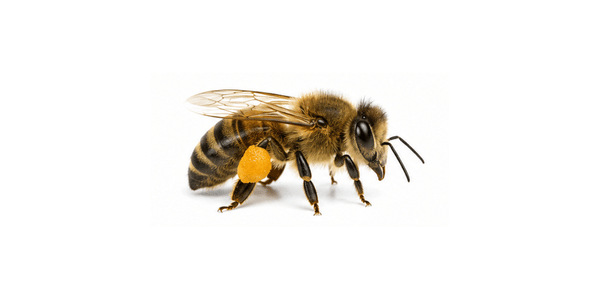
Honey Bee
Apis mellifera
Honey bees are among the most recognizable and beneficial pollinators in North Carolina. They live in large social colonies that can contain tens of thousands of bees and are commonly found in tree cavities, wall voids, chimneys, and other enclosed spaces.
If you notice a steady stream of bees entering a small opening in your home's exterior, there may be an established colony inside the structure. Honey bees are generally not aggressive when foraging but will defend their hive if disturbed.
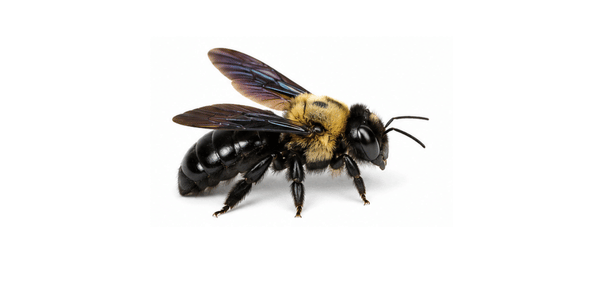
Carpenter Bee
Xylocopa virginica
Carpenter bees are frequently mistaken for bumble bees because of their similar size. Unlike bumble bees, carpenter bees have a shiny, hairless abdomen and excavate perfectly round holes in unfinished or weathered wood to create nesting galleries.
They are commonly found around decks, fences, fascia boards, pergolas, porch ceilings, sheds, and wooden trim throughout North Carolina. While carpenter bees rarely cause structural failure, repeated nesting over several seasons can damage exposed wood.
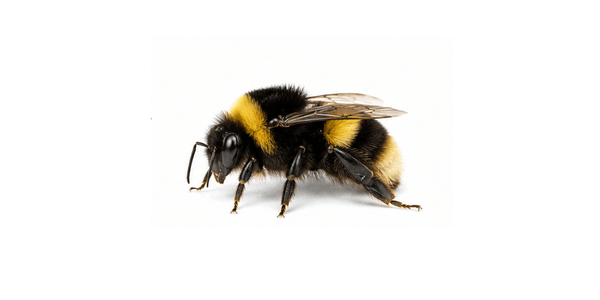
Bumble Bee
Bombus spp.
Bumble bees are large, fuzzy pollinators commonly found in gardens, flower beds, parks, and wooded areas. They typically build smaller colonies in abandoned rodent burrows, brush piles, compost piles, or beneath landscape features.
Although generally docile while foraging, bumble bees will defend their nest if disturbed.
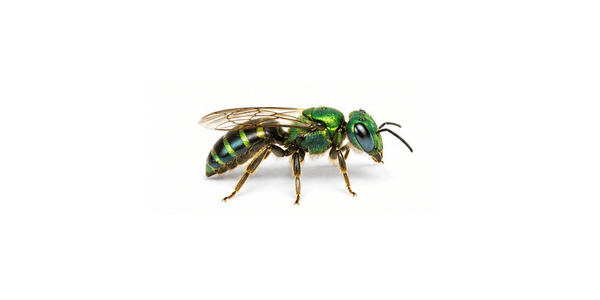
Sweat Bee
Family Halictidae
Sweat bees are small native bees often recognized by their metallic green, blue, or bronze coloration. As their name suggests, they are sometimes attracted to perspiration for its salt content.
Most sweat bees are solitary or live in small colonies and nest underground in bare soil or landscaped areas. They are important pollinators and rarely sting unless directly handled.
Mason Bee
Osmia spp.
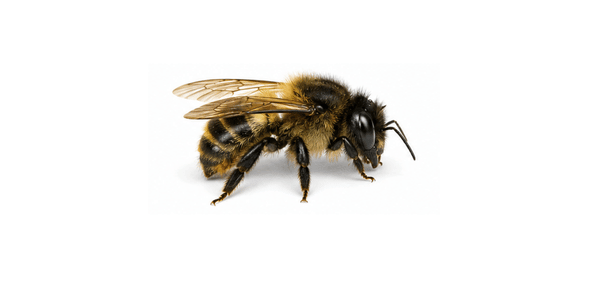
Mason bees are gentle solitary pollinators that frequently nest in small holes, hollow stems, and natural cavities. They use mud to seal the entrances to their nesting chambers, giving them their common name.
These bees are excellent pollinators for flowering trees and gardens and are seldom aggressive toward people.
Mining Bee
Family Andrenidae
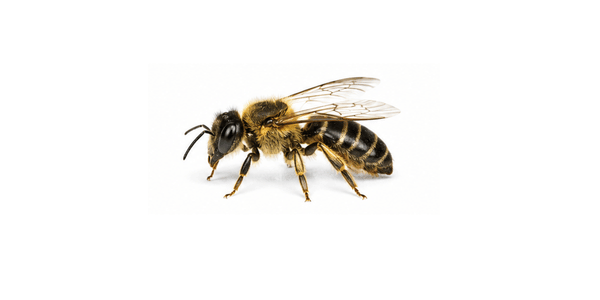
Mining bees are solitary ground-nesting bees commonly seen during the spring. They create small burrows in sandy or well-drained soil, often appearing in lawns, flower beds, or landscape edges.
Although large numbers may emerge at the same time, mining bees are not aggressive and rarely sting. Their nesting activity usually lasts only a few weeks each year.
Raleigh, Cary, Durham, Clayton & Surrounding Areas
We proudly serve the following cities:
Frequently Asked Questions
What types of bees are most common in Raleigh, NC?
Homeowners in Raleigh commonly encounter honey bees, carpenter bees, bumble bees, sweat bees, mason bees, and mining bees. While each species has different nesting habits and behaviors, most play an important role as pollinators. Proper identification helps determine whether treatment, exclusion, or monitoring is the most appropriate solution.
Should honey bees always be removed?
Not necessarily. Honey bees are valuable pollinators, and when possible, relocation may be a better option than elimination. However, if a colony establishes itself inside a home’s walls, attic, chimney, or another structural area, professional removal is often recommended to prevent property damage and future pest issues.
How can I tell the difference between carpenter bees and bumble bees?
Although they are similar in size, carpenter bees have a shiny, hairless black abdomen, while bumble bees have a fuzzy, hairy abdomen. Carpenter bees bore perfectly round holes into wood to build nests, whereas bumble bees typically nest in the ground or other protected cavities.
Why are bees attracted to my property?
Bees are attracted to flowering plants, gardens, fruit trees, water sources, and suitable nesting locations. Homes with exposed wood, wall voids, or landscaping that provides abundant pollen and nectar may naturally attract more bee activity.
Are all bees aggressive?
No. Most bee species found in North Carolina are relatively docile and are focused on gathering pollen and nectar. They generally sting only when threatened or when defending a nest. Solitary bees, such as mason bees and mining bees, are especially unlikely to sting.
What should I do if I find a bee swarm?
Bee swarms are a natural part of colony reproduction and are often temporary. Avoid disturbing the swarm, keep children and pets away, and contact a pest management professional for identification and guidance. Never attempt to spray or remove a swarm yourself.
Can carpenter bees damage my home?
Yes. Carpenter bees excavate tunnels in unfinished or weathered wood to create nesting galleries. Over time, repeated nesting can damage decks, fascia boards, fences, pergolas, porch ceilings, and other exposed wooden structures. Early treatment and preventive measures can help reduce long-term damage.
When should I call a professional for bee removal?
You should schedule an inspection if you notice bees entering your home’s exterior, discover a colony inside a structure, observe carpenter bees boring into wood, or have concerns about frequent bee activity near areas where your family spends time outdoors. Proper identification ensures the safest and most effective solution for both your property and the bees where appropriate.
Bee problems?
We can help.
Start with a free quote and get fast, professional service from your local experts in Raleigh, Cary, Clayton, Durham, Garner, Morrisville, Apex, Holly Springs and beyond.