Raleigh homeowners are no strangers to pest activity. Population growth, changing land use, and modern living patterns of how homes are built and lived in make the Triangle an ideal environment for insects and rodents to thrive. As we head into 2026, these conditions are not slowing down. In fact, our Raleigh 2026 pest forecast points to clear patterns homeowners should pay attention to now, before pests show up indoors.
Pest activity does not happen randomly. It follows weather trends, development patterns, and changes in how homes are built and used. Looking ahead allows homeowners to stay proactive instead of reacting to infestations after they appear. Below is what homeowners in Raleigh, Durham, Clayton, Cary, Garner, and Morrisville should expect in the coming year and how early pest prevention can make a real difference.

Why Pest Pressure Is Expected to Increase in 2026
Pest activity across Raleigh and the surrounding Triangle is expected to remain high in 2026 due to a combination of environmental and lifestyle factors. Longer active seasons allow many pests more time to reproduce and spread, which leads to larger populations appearing earlier in the year and fewer breaks in activity.
Homes themselves also play a role. Climate-controlled spaces, steady food sources, and moisture around foundations create ideal conditions for pests to settle in once they are nearby. Even well-maintained homes can become targets for pests as outdoor activity increases. Ongoing growth and development throughout the region continues to disrupt natural pest patterns, increasing competition for shelter and pushing pests closer to residential neighborhoods.
While the causes may not always be visible, the result is clear: more frequent pest activity and a greater need for early, consistent prevention. Oak City Pest Control has proudly served the Triangle for over 13 years, providing high-quality pest control services. As a locally-owned company, we are ready to help homeowners in Raleigh, Cary, Durham, Clayton, and surrounding areas stay protected year-round.
If you are ready to take a proactive approach, request a quote today and let our team help keep pests out of your home.
Seasonal Pest Trends Raleigh Homeowners Should Expect
Understanding seasonal pest patterns helps homeowners recognize what is normal and when there are red flags.
Late Winter and Early Spring
During these seasons, rodents remain a top concern. Mice and rats that move indoors during colder months often stay hidden in walls and attics longer than expected. Many homeowners assume they leave once temperatures warm up, but that is rarely the case.
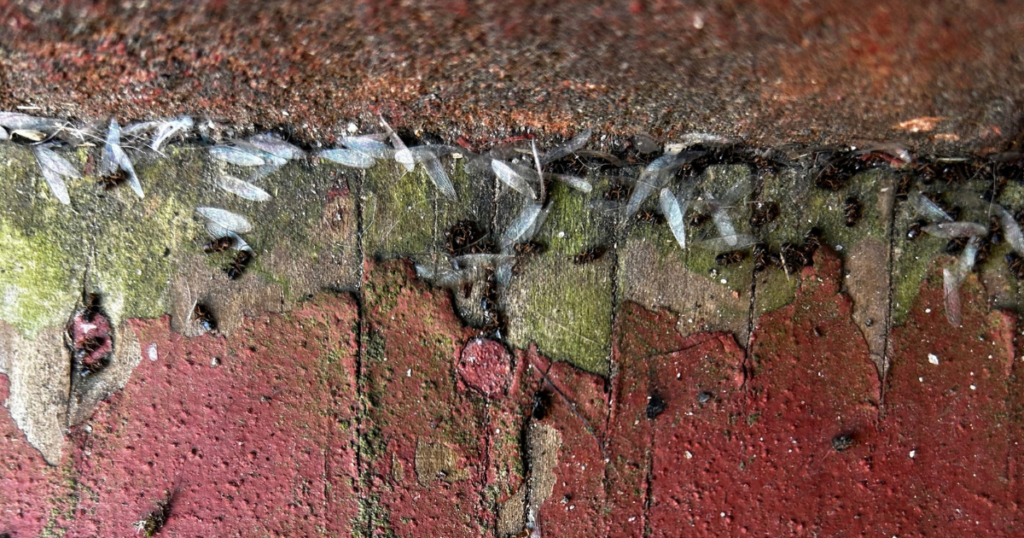
Spring also brings early ant activity, especially around kitchens, bathrooms, and foundation walls. Termite swarms typically appear once temperatures rise consistently and are often mistaken for flying ants, delaying treatment.
Summer
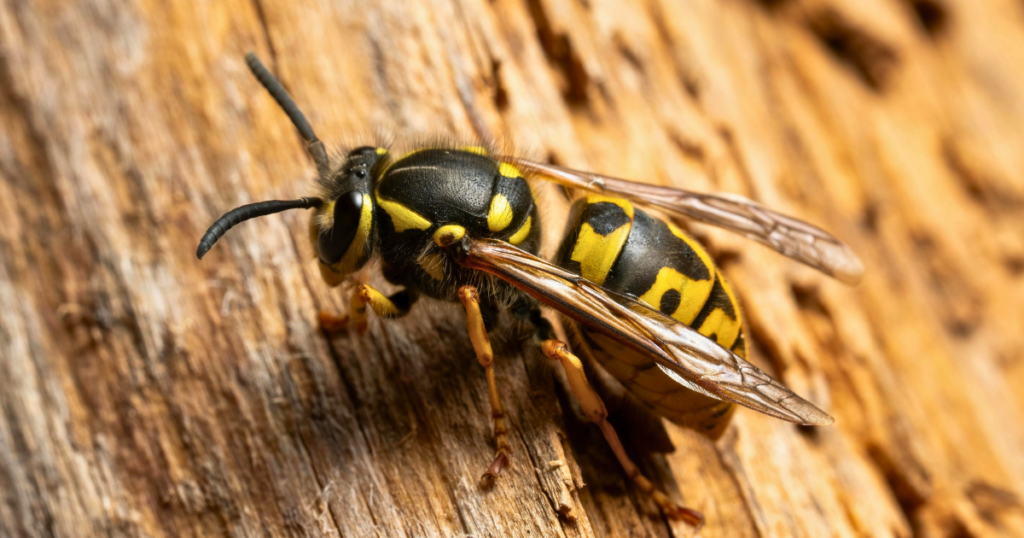
Summer remains the busiest season for pest control across the Triangle. Mosquito populations thrive in standing water after frequent storms. Cockroaches become more active indoors as they search for moisture and cooler spaces. Stinging insects build larger nests near rooflines, decks, and outdoor play areas.
Fall
Fall is when many homeowners let their guard down. Unfortunately, it is also when spiders, rodents, and other pests begin looking for warmer indoor shelter. Once inside, they tend to stay.
Common Pests That Will Remain a Problem in the Triangle
Ants, cockroaches, rodents, termites, mosquitoes, and spiders are expected to remain the most common pest concerns for homes throughout Raleigh, Cary, Clayton, Durham, Garner, and Morrisville in 2026.
- Ant infestations often start small. A few workers near a window or sink may signal a much larger colony hidden behind walls or under concrete slabs.
- Cockroaches are drawn to moisture and food sources. Even the cleanest homes can attract them due to plumbing leaks or condensation.
- Rodents are highly adaptable and can enter through gaps no wider than a quarter. Damage is often discovered before the pests themselves.
- Termites remain one of the most costly pests for homeowners. Many infestations show no visible signs until structural damage has already begun.
- Mosquitoes are more than a nuisance. Increased populations raise concerns about outdoor comfort and potential health risks.
Early Warning Signs Homeowners Tend to Overlook
Most pest infestations show subtle hints before they become obvious. Small droppings in garages or cabinets are often dismissed as dirt or food crumbs. Light scratching sounds at night may be blamed on the house settling. Wings near windows are sometimes swept away without a second thought.
These signs usually point to an active infestation. Ignoring them allows pests to establish nesting areas that become harder, and more expensive, to treat. Another overlooked sign is increased outdoor activity near the foundation. Ant trails, burrows, or wasp traffic around siding often indicate developing issues that can quickly spread indoors.
Why Pests Behave the Way They Do
Pests are driven by three basic needs: food, water, and shelter. Most homes provide all three. Climate-controlled interiors, steady food sources, and quiet hiding spots make residential structures ideal environments for pests.
Changes in outdoor conditions often disrupt where pests normally live. Heavy rainfall can saturate the soil, forcing insects and rodents out of ground-level nesting areas. Extended heat dries up natural water sources, forcing pests closer to homes to search for moisture. Sudden temperature drops also trigger movement, sending rodents and insects toward cracks and holes in walls, crawlspaces, and attics where environments remain stable.
Prevention Steps Homeowners Can Take Now
Homeowners can reduce pest risk by focusing on realistic and consistent habits:
- Seal cracks around doors, windows and foundations
- Repair damaged screens and vents
- Address moisture issues such as leaks or poor drainage
- Trim bushes, trees, and plants away from the home
- Store firewood away from structures
- Reduce clutter in garages, crawl spaces, closets, and other storage areas
- Remove standing water after rain
- Clean gutters regularly
- Store food in sealed containers and clean up spills quickly
These steps help reduce pest pressures in and around the home, but they do not replace professional pest prevention services, especially in high-risk areas.
When to Call A Professional
If pests are seen repeatedly, heard inside walls, or appear in multiple areas of the home, it’s time to call a professional! Waiting often leads to larger infestations that require more intensive treatment. Early intervention is typically faster, simpler, and more affordable.
Professional inspections also uncover hidden issues homeowners may miss, including entry points, nesting sites, and moisture problems.
Staying Ahead of Pests in 2026
For Triangle homeowners, proactive pest control remains the most effective approach. Prevention is far more effective than reaction, especially as pest movement continues to increase across the region.
Working with a local team that understands seasonal patterns and neighborhood-specific conditions gives homeowners a clear advantage. Experience matters as conditions change year to year.
If you want to protect your home before pest problems grow, now is the time to act. Oak City Pest Control offers inspections, prevention plans, and practical guidance tailored to communities throughout the Triangle.
To learn more or to request a quote, visit oakcitypestcontrol.com and take the first step toward a pest-free 2026.