Rodent Control Services
Oak City Pest Control provides professional rodent control services designed to identify rodent activity, remove infestations, and help prevent future problems. Our team proudly serves homeowners in Raleigh, Cary, Apex, Durham, Clayton, Garner, Morrisville, and Holly Springs with reliable pest control solutions.
Our Experts Target at the Source
Rodents are one of the most disruptive pests homeowners face throughout Raleigh and the Triangle area. Once inside, mice, rats, and other nuisance rodents can contaminate food, damage insulation and wiring, and create ongoing problems inside walls, attics, crawl spaces, and garages.
Rodents search for three things: food, water, and shelter. Homes provide all three, especially during cooler months or periods of heavy rain when outdoor nesting areas become less stable. Once inside, they reproduce quickly and often remain hidden until signs of activity become more noticeable.
Our professionals at Oak City Pest Control are trained to diagnose and treat rodent problems and infestations, working with you to customize a plan that makes sense for your wallet, lifestyle, and safety in mind.
Our Rodent Treatment Approach
Inspect
Every service begins with a detailed inspection of your home and property. Our technician looks for interior and exterior signs of rodent activity, potential entry points, and nesting locations.
Target
We apply targeted treatments designed specifically for the rodent species present. Our approach focuses on treating the areas where rodents are active, helping eliminate current activity while minimizing unnecessary treatments throughout the home.
Secure
Once the active rodent problem is addressed, we focus on securing the home against future infestations. This may include identifying vulnerable areas, recommending sealing gaps and exclusion methods to reduce rodent entry opportunities in the future.
Report
Clear communication is an important part of every service visit. After treatment, we provide a summary of what was found during the inspection, what treatments were performed, and any recommendations that may help prevent future rodent activity.
Monitor
Rodent activity can change with seasons, weather, and environmental conditions in North Carolina. During follow-up visits, we continue to monitor the property for signs of new activity and adjust treatments as needed to keep your home protected.
Maintain
Consistent pest control helps prevent small issues from becoming larger infestations. Our ongoing service plans provide scheduled treatments designed to maintain protection against rodents throughout the year.
Common Rodent Species in NC

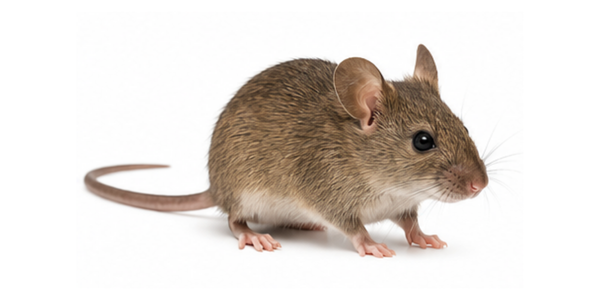
House Mouse
Mus musculus
House mice are one of the most common rodents found inside homes throughout North Carolina. They are small, light brown or gray in color, and can fit through openings as small as a dime.
If you suspect mice, check kitchens, pantries, garages, attics, and lower cabinets for droppings, gnaw marks, scratching sounds, or nesting materials.
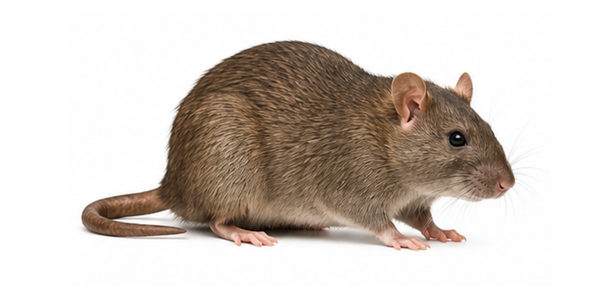
Norway Rat
Rattus norvegicus
Norway rats are larger rodents commonly found around foundations, crawl spaces, basements, and outdoor structures. They typically burrow near homes and search for food and water sources.
If you suspect Norway rats, look for larger droppings, grease marks along walls, burrows near foundations, or scratching sounds at night.
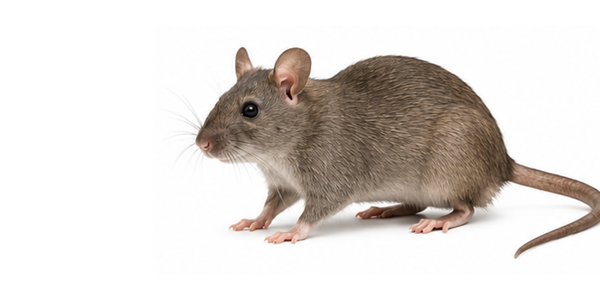
Roof Rat
Rattus rattus
Roof rats are excellent climbers and are often found in attics, rooflines, garages, and upper areas of homes. They commonly enter through overhanging branches or roof gaps.
If you suspect roof rats, inspect attic insulation, roof vents, and tree branches near the home for signs of nesting or rodent activity.
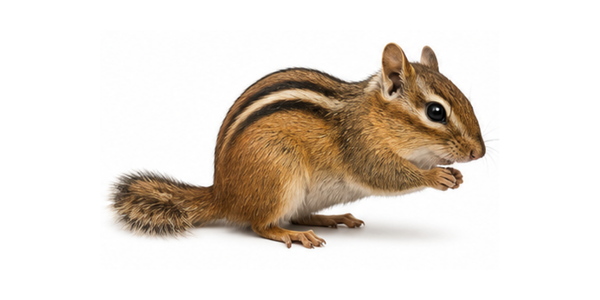
Eastern Chipmunk
Tamias striatus
Eastern chipmunks are commonly found around landscaping, patios, gardens, and wooded residential areas throughout the Triangle. While they spend most of their time outdoors, burrowing activity near foundations can become a concern.
If you suspect chipmunk activity, look for small burrow openings, disturbed mulch, or tunneling near sidewalks, patios, and retaining walls.
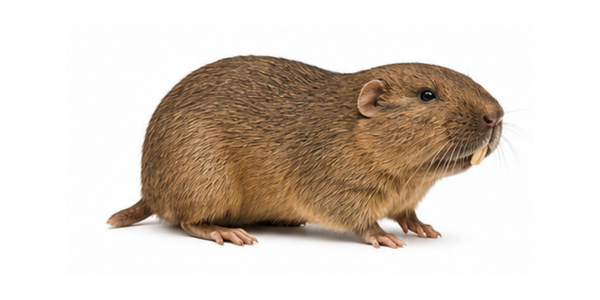
Pocket Gopher
Geomys species
Pocket gophers are burrowing rodents that damage lawns, landscaping, and underground root systems. While less common than mice or rats, they can create noticeable tunneling activity in certain areas.
If you suspect gophers, check for raised tunnels, soil mounds, and damaged grass or plant roots throughout the yard.
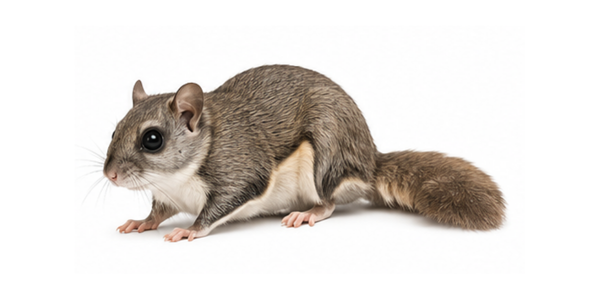
Southern Flying Squirrel
Glaucomys volans
Southern flying squirrels are small nocturnal rodents commonly found in wooded areas throughout North Carolina. They often enter attics and upper portions of homes searching for shelter and nesting areas.
If you suspect flying squirrels, listen for movement in attics at night and inspect rooflines or soffits for possible entry points.
Raleigh, Cary, Durham, Clayton & Surrounding Areas
We proudly serve the following cities:
Frequently Asked Questions
What types of rodents are most common in Raleigh, NC?
The most common rodents found in Raleigh and throughout the Triangle area include house mice, Norway rats, roof rats, chipmunks, squirrels, and occasional burrowing rodents like gophers or voles. Mice and rats are the most common indoor rodent problems, while chipmunks and squirrels are more commonly found around foundations, crawl spaces, attics, and landscaping.
How do rodents get into homes?
Rodents can enter homes through surprisingly small openings around foundations, garages, rooflines, vents, utility lines, crawl spaces, and attic spaces. Mice can fit through openings as small as a dime, while rats only need slightly larger gaps. Overgrown vegetation, damaged vents, and gaps around pipes are some of the most common entry points.
What are the signs of a rodent infestation?
Common signs of rodent activity include droppings, scratching or movement inside walls or ceilings, gnaw marks on food packaging or wiring, nesting materials, strong odors, and grease marks along walls or baseboards. Homeowners may also notice increased pet attention toward certain walls, cabinets, or attic spaces where rodents are active.
Are rodents dangerous to have in the home?
Yes. Rodents can contaminate food and surfaces, spread bacteria, damage insulation, and chew electrical wiring, which can increase the risk of fire hazards. In addition to property damage, rodent infestations can create unpleasant odors and sanitation concerns if left untreated.
Why do rodents become more active during colder months?
As temperatures cool, rodents begin searching for warm shelter, food, and nesting areas. Homes provide stable temperatures and easy access to food and water, making attics, crawl spaces, garages, and wall voids ideal nesting locations during the fall and winter months.
Can rodents damage wiring and insulation?
Absolutely. Rodents constantly chew to keep their teeth from overgrowing, which often leads them to chew electrical wiring, wood, plastic, and insulation. This damage can become expensive to repair and may create additional safety concerns inside the home.
How can I help prevent rodents around my home?
Reducing rodent activity starts with sealing entry points, eliminating food sources, storing trash properly, trimming vegetation away from the home, and reducing clutter in garages, attics, and crawl spaces. Addressing moisture issues and maintaining clean storage areas can also help make the property less attractive to rodents.
When should I call a professional for rodent control?
If you are hearing scratching noises, noticing droppings regularly, finding gnaw marks, or seeing rodents during the daytime, it is time to contact a professional. Rodent populations can grow quickly once they establish nesting areas, and professional inspections help identify hidden activity and entry points that are often overlooked.
Rodent problems?
We can help.
Start with a free quote and get fast, professional service from your local experts in Raleigh, Cary, Clayton, Durham, Garner, Morrisville, Apex, Holly Springs and beyond.