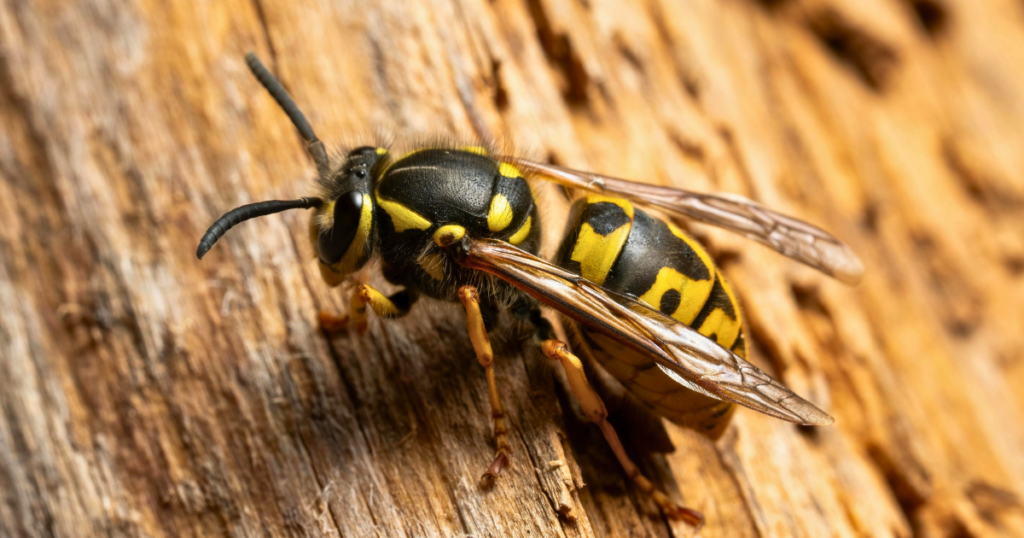
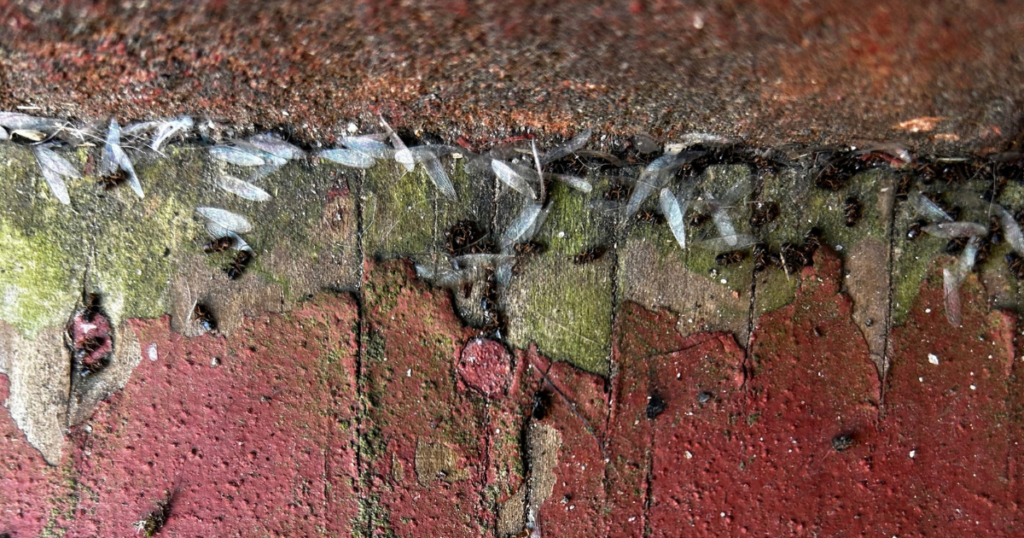
Triangle growth shifting pest patterns is not just a talking point. It is something homeowners across Raleigh and the surrounding communities are seeing first hand, and it can be frustrating to deal with. As new neighborhoods, retail centers, and roads are built throughout Raleigh, Cary, Durham, Apex, and surrounding communities, local pest patterns are shifting as well.
When land is cleared and soil is disturbed, the insects and rodents living there do not disappear. They relocate. In many cases, nearby residential neighborhoods become their next habitat.
For homeowners, these shifting pest patterns can lead to sudden pest activity in homes that previously had few issues.
What Happens When Land Is Disturbed
Ant colonies spread through underground tunnels in undisturbed soil. Subterranean termites feed on buried wood and organic material. Rodents often nest along tree lines, brush piles, and dense ground cover.
Once construction begins and grading starts, those environments change quickly. Soil is turned over. Trees and debris are removed. Shelter disappears. When that happens, pests begin searching for nearby areas that still provide moisture, food, and protection. In many cases, landscaped neighborhoods – with irrigation systems, mulch beds, and structural cover around homes – often provide ideal replacement environments.
Properties located near active construction sites often begin seeing changes in pest patterns shortly after the clearing process starts.
The North Carolina Department of Environmental Quality notes that land disturbance can also affect soil ecosystems and wildlife movement across the state, including insect populations and small mammals that live underground.
Why Existing Neighborhoods Are Seeing More Activity
Many homeowners assume pest problems are limited to new construction homes. In reality, established neighborhoods often see shifting pest patterns when nearby development begins.
Older homes may already have small foundation gaps, aging weather seals, or landscaping that holds moisture close to the structure. Wood fencing and deck posts may sit directly in the soil. Under normal conditions, these factors may not cause major pest issues.
However, when nearby land is cleared, displaced pests relocate into areas that provide food, moisture, and shelter.
Homeowners who have never dealt with indoor ant activity may suddenly notice trails along baseboards or near kitchen areas. Attic noises may begin shortly after nearby grading or clearing projects start.These changes usually appear within weeks of nearby land being cleared, surprising many homeowners who have lived in the same house for years without issues.
Common Pest Pattern Shifts We Are Seeing
Ants
Soil disturbance frequently breaks up ant colonies. Activity may first increase outdoors along driveways, sidewalks, and landscaped areas. If food and moisture are present, ant trails can move indoors through small foundation gaps, window seals, or door frames.
Routine general pest control services help manage ant colonies before they make their way indoors.
Termites
Subterranean termites travel through soil in search of wood. When wooded areas are removed, natural food sources decline. Homes with wood framing, mulch beds, or moisture near the foundation can become easier targets.
Regular termite inspections and monitoring programs help reduce the risk of long-term structural damage.
Rodents
Field mice and rats lose nesting areas when brush and tree lines are cleared away during development.
Garages, crawlspaces, storage sheds, basements, and attics provide replacement shelter.
Early rodent control helps reduce contamination and structural damage.
Small Signs That Often Get Missed
Shifting pest patterns usually begin with subtle changes. Thin ant trails may appear near the outside walls. Mud tubes in crawlspaces can signal termite movement. Light scratching sounds in attic spaces may indicate a new rodent family settling in. Outdoor insect activity around porch lights may increase as surrounding habitat is reduced.
Recognizing these early warning signs makes pest problems easier to manage before they become larger infestations.
Practical Prevention During New Construction
Homeowners cannot stop nearby development in Raleigh and surrounding areas, but they can reduce their property’s vulnerability to shifting pest patterns.
Seal visible cracks around doors and windows. Replace worn weather stripping. Keep mulch several inches away from the foundation. Store firewood off the ground and away from exterior walls.
Ensure gutters are draining properly and diverting water away from the home’s foundation as excess moisture tends to increase insect and termite activity.
If land is being cleared near your home, scheduling a professional inspection is often a practical first step to help identify early activity and limit the need for more aggressive treatments later down the road.
Local Experience Matters
Oak City Pest Control works throughout Raleigh, Apex, Cary, Clayton, Durham, Garner, Holly Springs, and Morrisville. When new construction starts popping up at every turn, we receive calls from surrounding neighborhoods soon afterward as displaced pest begin moving into nearby residential areas.
Understanding how local development affects pest patterns allows us to address issues early before they become larger problems.
Stay Ahead of Pest Problems
Triangle growth will continue as development expands across the region, and pest patterns will continue shifting along with it.
Homes located near active construction sites may experience increased ant activity, higher termite movement, or new signs of mice and rats searching for shelter. Recognizing early signs and addressing them quickly reduces long-term risk.
Oak City Pest Control provides residential pest control, termite control, and rodent control throughout Raleigh and surrounding communities. Homeowners can schedule an inspection or request service based on the specific pest patterns developing around their property.